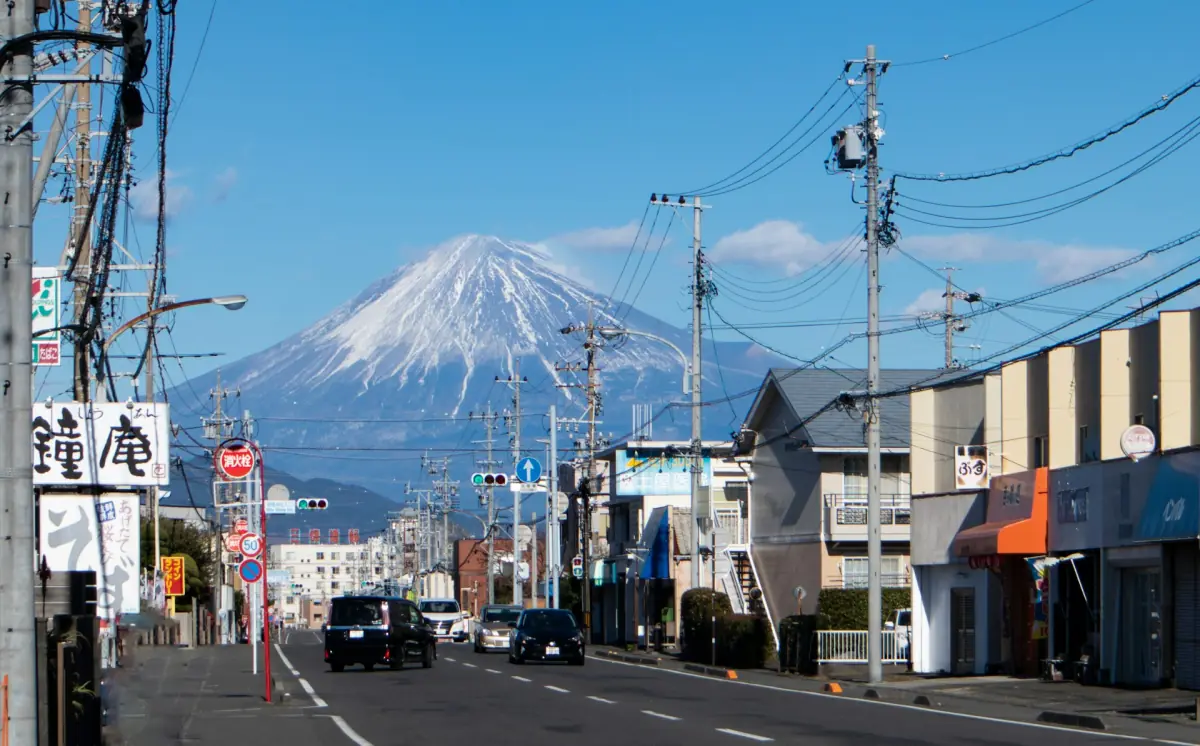
Choosing where to stay in Mount Fuji
Where to stay in Mount Fuji depends on whether the trip centres on lakeside scenery, the southern foothills or an ascent in the climbing season. Treat these as different plans before choosing a room. A convenient base for a landscape visit need not be the right starting point for a mountain route, and a hotel booking does not arrange a mountain hut.
For a northern stay, start with the Fuji Five Lakes overview and identify the places you want to visit. For southern sights, consider the Fujinomiya and Shizuoka side and its rail approach. Match the base to your arrival route using the transport guide, rather than choosing solely from a photograph of the mountain.

Lake Kawaguchi as a northern base
The northern lake area combines hot springs, museums and excursions. Lake Kawaguchi covers the local detail; here the important decision is how that base fits the wider Fuji visit. Direct rail and highway-bus connections from Shinjuku make the northern approach a practical option for travellers coming from Tokyo.
Choose an arrival stop first, then look at the remaining journey to the accommodation. A room described as having a mountain view still depends on the precise room and the weather. Compare access to the day’s planned activities as well as the view description, especially if the visit includes luggage and an onward journey. Keep the lake stay and any high-altitude climb as separate parts of the itinerary.
Our picks: Depart from your accommodation
This private outing includes accommodation pickup and drop-off.
Hand-picked tours, booked through GetYourGuide. Prices are indicative starting prices in US dollars (as of October 2026). Tap a tour for live availability and the current price in your currency.

A sightseeing day with accommodation pickup
The private driving excursion includes a driver-guide and accommodation transfers; the overnight room is booked separately.
Fujinomiya and the southern approach
For a visit focused on the southern side, Fujinomiya and the Shizuoka approach deserve their own accommodation search. Shin-Fuji is a Shinkansen gateway with onward bus access towards the Shiraito Falls and seasonal mountain access. Mishima is another Shinkansen connection, with a highway bus continuing towards the northern lake area. These are distinct transport choices.
Work backwards from the place where the next day begins. If the aim is a southern landscape visit, avoid selecting a northern base merely because it appears in a familiar Fuji image. If the aim is an ascent, select the trail first and then arrange its approach. The Subaru Line fifth station serves the Yoshida approach and should not be substituted for the other trailheads.
Onsen and room expectations
Hot springs can be part of a foothill stay, but choose the bathing arrangements as carefully as the location. Ask the accommodation about shared or private facilities and tattoo policies before reserving. Onsen access, a private bath and a Fuji-facing room are individual booking details, so compare the actual room and bath arrangements rather than relying on a general area description.
A sightseeing day can be arranged separately from the room. The private driving excursion presented here includes a driver-guide, an air-conditioned vehicle, accommodation pickup and drop-off, route planning and photo-stop assistance. Food, drinks, optional activities and attraction admissions not specifically included cost extra. Accommodation pickup is a transport service; reserve the overnight stay independently. The private tours guide explains this format.
Mountain hut reservations and the climbing season
A mountain night needs its own plan. Arrange the hut separately from mountain access, and consider only an ascent within the officially opened climbing season. Camping and campfires are prohibited on Mount Fuji, so a tent is not an alternative to a hut reservation. Each hut has its own seasonal operation and booking conditions; select it as part of the chosen trail itinerary.
The 2026 climbing season ended on 10 September 2026. Plan a later ascent around the newly published opening and access rules for that season, and do not climb outside the officially opened season. Read the climbing guide before reserving a mountain night. For a foothill stay, use the weather guide to distinguish lake conditions from summit conditions.
Frequently asked questions
Which side suits a first landscape visit?
Choose the northern lakes if those are the focus of the itinerary, or the Fujinomiya and Shizuoka approach for southern sights. Start with the places you intend to see and the transport connection you will actually use.
Does an onsen stay guarantee a Fuji view?
Visibility depends on weather and the room’s outlook. Check the room description, bathing facilities and tattoo policy for the accommodation you choose.
Does mountain registration reserve a hut?
Reserve the hut separately. Mountain access and overnight accommodation are separate arrangements, and an ascent should take place only within the officially opened season.