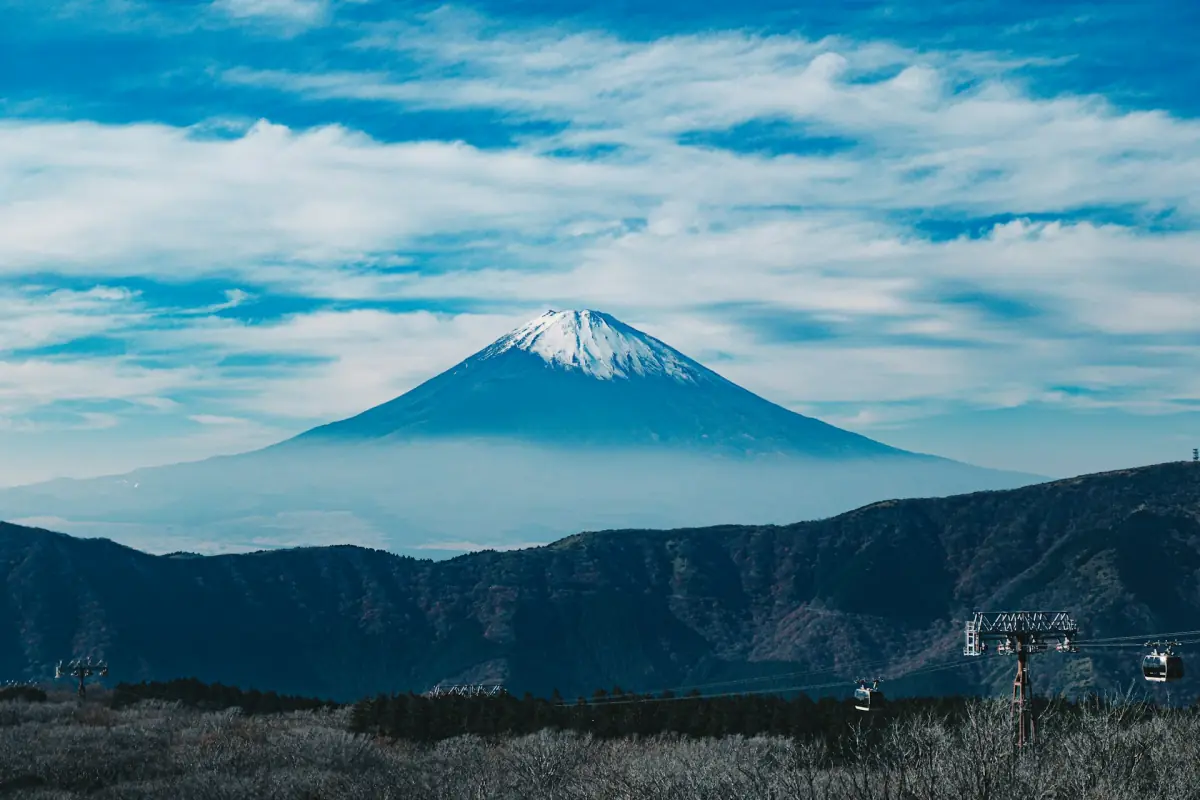
A Mt Fuji and Hakone tour needs a clear priority
A Mt Fuji and Hakone tour works as a combined landscape day, with the Fuji visit as the mountain element and Hakone as a separate excursion area. Decide whether reaching the fifth station, taking the ropeway or travelling by boat matters most to you. These involve different routes and operations, so the itinerary should explain how they fit together.
A fifth-station stop is sightseeing rather than a summit climb. Read the Subaru Line fifth-station guide for that distinction. If time at Fuji is the main reason for travelling, compare a simpler Fuji day trip from Tokyo before adding another area.

Our picks: Fuji and Hakone
All three day trips include a Hakone Ropeway ticket; on one it is a limited-time offer.
Hand-picked tours, booked through Viator. Prices are indicative starting prices in US dollars (as of October 2026). Tap a tour for live availability and the current price in your currency.

Mt Fuji and Hakone bus tour, bullet train back
- Lake Ashi Cruise fee
- Hakone Ropeway fee
- Bullet train ticket to Tokyo station
Lunch only if selected. On weekends and designated dates there is no Ginza pickup.
Check availability →
Fifth station and Hakone day trip
- Hakone Pirate Ship
- Hakone Ropeway
A fifth-station visit is not a summit climb.
Check availability →
Fuji and Hakone day trip
- Air-conditioned vehicle
- Guide
The Hakone ropeway ticket is a limited-time offer.
Check availability →Combined landscape excursions
Compare Fuji station visits and Hakone combinations by the boat, ropeway and transport services included.
Compare the included activities
The ten-hour combined outing with air-conditioned transport and a guide lists its Hakone ropeway ticket as a limited-time offer. Treat that promotional inclusion according to the conditions of the selected departure, rather than as a permanent feature of every booking. Its meeting options include the Shinjuku and Tokyo Station areas; the chosen booking determines the actual gathering point.
The eleven-hour route visiting the fifth station and outlets includes a Hakone ship ticket and ropeway ticket. It departs from the pavement outside Shinjuku Center Building, with the published meeting time of 07:15. The outlet stop is part of this route; it is not a museum visit. Compare a full day's route with your interests rather than assuming that any product using Fuji and Hakone in its title has identical stops.
Give lunch and personal spending their own budget unless the selected product includes them. Meeting-point transport, hotel collection and a return by train are different services. Use the general excursion comparison to see how the broader formats differ.
Lake Ashi within the combined day
A boat ride adds a waterside perspective to a mountain outing. Route planning for the lake belongs with Lake Ashi. Look at the actual ports and the connection needed for the next stop. A sightseeing ship ticket should be understood for the journey included, rather than treated as a promise of every possible lake route or special cabin.
For independent budgeting, the tariff effective from 1 October 2025 lists Hakone-machi to Moto-Hakone at 600 JPY for adults and 300 JPY for children. Togendai to either Hakone-machi or Moto-Hakone is 1,700 JPY for adults and 850 JPY for children. These are one-way fares for the specified routes; special cabins cost extra. Keep them separate from a tour's own included ticket.
Owakudani and ropeway connections
Use Owakudani for the local volcanic landscape visit. The Hakone ropeway links Sounzan, Owakudani, Ubako and Togendai, making it a transport element as well as a sightseeing activity. Fit the intended journey into the day and follow operating instructions at the site. This page does not turn a landscape stop into a forecast of volcanic conditions.
The ropeway fare effective from 1 October 2025 is 2,000 JPY one way for adults and 700 JPY for children; return fares are 3,000 JPY and 1,000 JPY. Ticket validity and time spent travelling are different things. The one-way ticket is valid for one day and the return ticket for two days, which does not describe the duration of the ride.
Leave room for the Fuji road and the return
Access to the Subaru Line station depends on the road and weather conditions. The annual operating-hours table does not establish a particular day's road opening. A combined tour also remains a landscape visit when cloud obscures Fuji; a clear view is not an inclusion. Keep the day's priorities realistic and avoid treating an upper-road stop as essential to every successful outing.
For independent travel, compare the northern approaches with the southern Shinkansen gateways at Mishima and Shin-Fuji using the transport guide. Joining points, return terminals and separate tickets should fit together before the day begins. If a relaxed Fuji visit matters more than combining multiple transport experiences, staying with the mountain area can be the simpler choice.
Questions about your visit
Does a Fuji and Hakone day include climbing?
The fifth-station visit is sightseeing. A summit ascent needs separate preparation and officially opened seasonal access.
Are ropeway tickets included in every combination?
The eleven-hour station-and-outlet route includes the ropeway and ship. The ten-hour guided combination lists its ropeway ticket as a limited-time promotion.
How should I choose between the routes?
Start with the Fuji stop you want, then compare the included Hakone activities and the meeting and return arrangements. Leave time for road and weather changes.