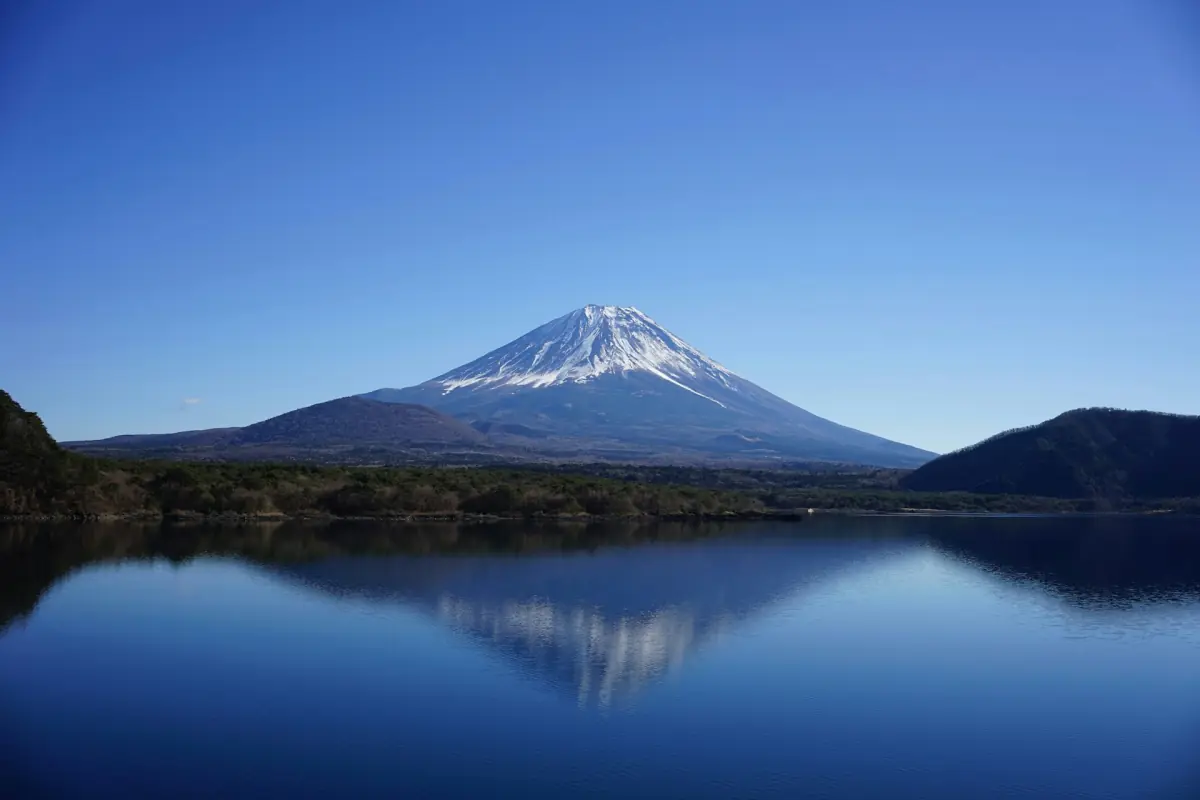
Mount Fuji tours: choose the format first
Mount Fuji tours range from meeting-point bus trips from Tokyo to local private guiding and longer combinations with Hakone. Decide which part of the day you want organised: the journey out of Tokyo, movement between regional stops, or a visit that starts near your accommodation. Then compare what is actually included. A title mentioning several places says less about value than the transport, guide, admissions and meal arrangements.
For the specific departure and return decisions, use the Tokyo day-trip planner. For a local half day or a vehicle reserved for your party, compare private tours. This overview helps match the format to your interests before you commit to a route.

Our picks: Fuji area tours
Choose an English-guided outing or a trip with round-trip transfers from the meeting point.
Hand-picked tours, booked through GetYourGuide and Viator. Prices are indicative starting prices in US dollars (as of October 2026). Tap a tour for live availability and the current price in your currency.

Fuji area day trip from Tokyo Station
- Air-conditioned vehicle
Confirm the meeting time in the details sent the day before.
Check availability →
Lake and shrine area day trip
- Comfortable air-conditioned bus transportation
- English or Chinese-speaking guide
The lakeside lunch is included only when selected.
Check availability →
Fuji area and panoramic ropeway
- Professional bilingual guide
- Round-trip transfers
The ropeway ticket is a limited-time offer. The Fuji Panoramic Ropeway is closed from 7 to 18 December 2026. On 25 and 26 November 2026, the last ascent is at 15:00 and the last descent at 15:20.
Check availability →
Fuji area coach outing
- Professional English-speaking guide
- All taxes, parking fees, toll fees, gas fees, and environmental fees
The Saiko village ticket is a limited-time free offer.
Check availability →
Lake and foothills day trip
- Tour guide
- Round-trip transfers from the meeting point
Check luggage fees and child eligibility in advance.
Check availability →Compare regional sightseeing formats
Look at meeting-point transport, guiding and the actual sightseeing route, then allow separately for meals and optional admissions.
Bus trips and meeting points
The regional circuits with an English-speaking guide and air-conditioned transport are useful when you want the long journey and local movements organised together. The ten-hour scenic outing with return meeting-point transfers includes road costs. Its Saiko village ticket is a limited-time promotion, and lunch belongs to a selected meal option. Treat the promotion and lunch as separate details rather than permanent features shared by every excursion.
Another ten-hour sightseeing circuit includes a guide and return transport from a meeting point, while hotel collection, meals and drinks are extra to its format. The ten-hour cultural and scenic outing includes a bilingual English- and Chinese-speaking guide, transport and road costs. The ropeway ticket is a limited-time offer. The Fuji Panoramic Ropeway is closed from 7 to 18 December 2026. On 25 and 26 November 2026, the last ascent is at 15:00 and the last descent at 15:20. These distinctions matter more than similar photographs or overlapping destination names.
The small-group minibus outing from Tokyo lists air-conditioned transport and a ten-hour duration. Start details place the meeting at Tokyo Station’s Marunouchi North Exit, with the final instructions supplied for the departure. Use the selected experience’s meeting information rather than assuming that every tour leaves from the same station exit. Group size and hotel collection should be assessed product by product.
Higher road access and combined itineraries
A fifth-station visit introduces a higher mountain setting without a summit ascent. The Subaru Line approach belongs to the Yoshida side, and road conditions can affect how far vehicles travel. A visit to this station and a climbing permit serve different purposes. The fifth-station page explains that distinction; for broader combinations use the Fuji and Hakone guide.
Choose a combined itinerary because the extra region matters to you. Packing more names into the day leaves less flexibility for an extended walk or unplanned pause. If Chureito is the priority, allow for the approach and steps; if a waterfall is the focus, start with the southern side. The sights overview helps separate the places you want to spend time from those you merely recognise.
Lake Kawaguchi, Oishi Park and Oshino Hakkai
Several sightseeing programmes include northern lake and village stops. Use Lake Kawaguchi for the lake setting, Oishi Park for the park, and Oshino Hakkai for the spring ponds. Their appearance in a route should help you choose a regional focus, rather than encourage you to add every nearby attraction.
For an independent comparison across the whole lake region, read the Five Lakes overview. A flexible local tour can be adapted within its booked time, but that does not turn all possible programme stops into one continuous itinerary. Choose the place that matters most and give the guide a clear route preference.
Food, cooking and cultural additions
A food activity can be a deliberate part of a regional visit rather than an assumed inclusion in a bus ticket. Available formats include a sake-tasting and lake outing, noodle-related experiences and cooking sessions. The sake combination includes its tasting fee and Yamanaka swan-boat tickets; the noodle-and-cruise combination includes a hōtō noodle lunch and its stated cruise fee. These are distinct experiences, not benefits attached to the scenic tours on this page.
Cultural stops also differ from specialist guiding. A circuit that visits a pagoda or shrine should be chosen for its sightseeing programme. For the background on pilgrimage and artistic inspiration, read the cultural history. Keep meals, additional activities and tickets as separate lines in your budget, and compare the booking option that supplies the particular experience you want.
Questions about tour formats
Are meals included in every tour?
Meal arrangements vary. Some outings offer a lunch option, while others exclude meals and beverages. Compare the selected option’s inclusions.
Does a fifth-station excursion reach the summit?
It visits a road-access station below the summit. Plan climbing separately and only in the officially released season; avoid an ascent outside it.
Which format suits someone already staying near Fuji?
A local private half day can use time for regional stops rather than the journey from Tokyo. A Tokyo departure is useful when your accommodation remains in the city.