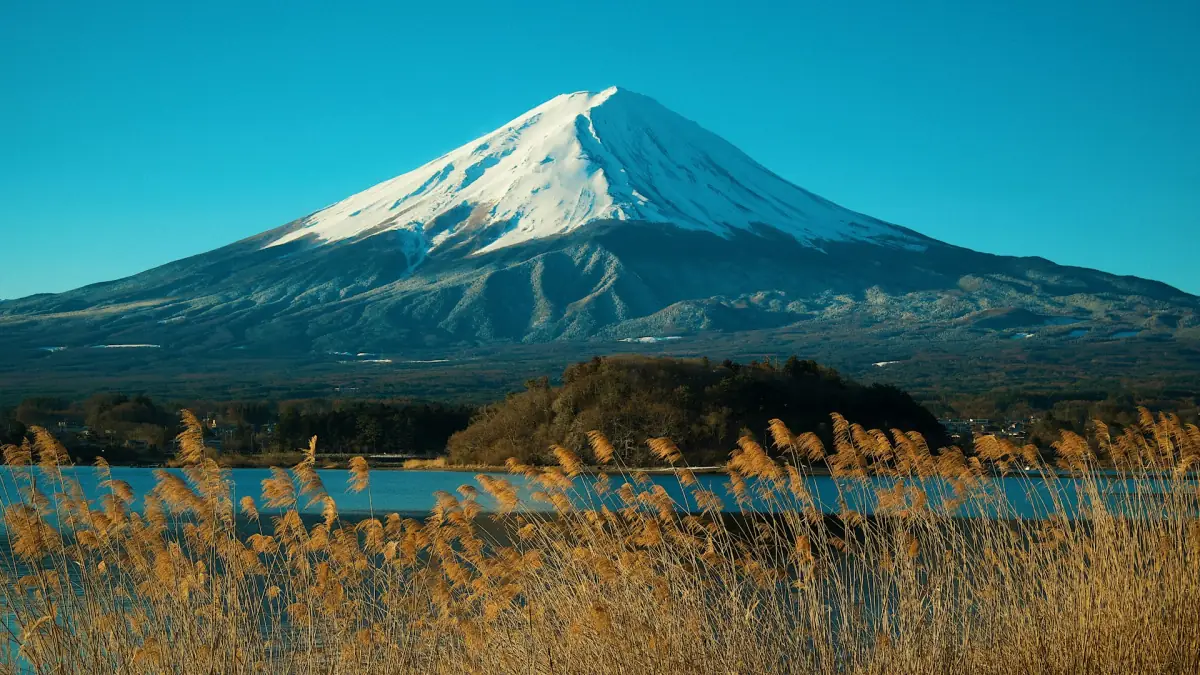
Mount Fuji at a glance
Mount Fuji is a 3,776 m stratovolcano southwest of Tokyo, with lake country to the north and routes towards Suruga Bay to the south. Start by deciding whether you want to see the mountain, visit a higher road-access point or prepare for a summit ascent. These lead to quite different days. A landscape circuit can link views and cultural stops, while climbing requires its own season, equipment and hut planning.
The Fuji Five Lakes are Yamanakako, Kawaguchiko, Saiko, Shojiko and Motosuko. They make a useful regional framework, rather than a checklist to complete on every outing. Choose a side of the mountain and a manageable route before choosing transport. Our tour comparison explains formats, while private outings suit visitors choosing between a local half day and a longer journey from Tokyo.

Our picks: Fuji area
Choose a coach outing for a guided day or the fifth-station option for a bullet train return.
Hand-picked tours, booked through GetYourGuide and Viator. Prices are indicative starting prices in US dollars (as of October 2026). Tap a tour for live availability and the current price in your currency.

Fifth station and Hakone with bullet train return
- Ticket for Hakone Ropeway; Ticket for Lake Ashi Cruise
- 1-way Bullet Train Ticket from Odawara Station to Tokyo Station
On weekends, national days off and other designated days departure is from Shinjuku only. The fifth-station visit is not a summit climb.
Check availability →
Fuji area outing from Tokyo
- Air-conditioned vehicle
- Guide
Check the meeting point in your booking.
Check availability →
Fuji area coach outing
- Professional English-speaking guide
- All taxes, parking fees, toll fees, gas fees, and environmental fees
The Saiko village ticket is a limited-time free offer.
Check availability →
Lake and foothills day trip
- Tour guide
- Round-trip transfers from the meeting point
Check luggage fees and child eligibility in advance.
Check availability →
Fuji area outing from Tokyo Station
- Driver-guide service fee
- Fuel, tolls, and highway fees
Entry fees are extra; vehicle and group size depend on attendance.
Check availability →Scenic outings and guided day trips
Choose between a meeting-point bus excursion, a fifth-station and Hakone combination, or a full day of regional sightseeing.
Explore the mountain and plan the details

Mount Fuji Tours: Bus Trips and Private Sightseeing
Compare bus outings, local guiding and the costs that matter.

Mount Fuji Day Trip from Tokyo: Routes and Travel Time
Plan departure, local stops and the journey back to Tokyo.

Mount Fuji Private Tours: Custom Routes and Local Guides
Choose a local half day or a private day from Tokyo.

Mount Fuji 5th Station: Tours and Subaru Line Access
Understand road access and a visit below the summit.

Climbing Mount Fuji: Four Trails and Seasonal Preparation
Routes, official seasons, huts and preparation for the ascent.
Best Place to See Mount Fuji: Viewpoints and Visibility
Compare viewing locations and allow for cloud.
Fuji Five Lakes: Mount Fuji Views and Regional Routes
An overview of Yamanakako, Kawaguchiko, Saiko, Shojiko and Motosuko.

Chureito Pagoda: Mount Fuji Views, Steps and Getting There
Plan the steps and approach from Shimoyoshida.

Shiraito Falls: Mount Fuji Heritage, Access and Visiting
Visit the spring-fed falls on the southern side.

Mount Fuji Sunrise Tours: Early Trips at the Foothills
Understand early outings at the foot of the mountain.

Mt Fuji and Hakone Tour: Combined Day Trips
Combine the mountain region with a Hakone itinerary.
Things to Do in Mount Fuji: Foothills, Heritage and Views
Choose between nature, culture and regional activities.

Mount Fuji History: Pilgrimage, UNESCO Heritage and Art
Explore pilgrimage, shrines and artistic inspiration.

Mount Fuji Weather: Summit and Foothill Climate Compared
Compare summit and lakeside climate normals.

Best Time to Visit Mount Fuji: Seasons, Views and Climbing
Match landscape visits and climbing to different seasons.

Where to Stay in Mount Fuji: Base Areas and Mountain Huts
Choose a northern or southern base and plan huts separately.

How to Get to Mount Fuji: Bus, Train and Haneda Airport
Compare rail, highway bus and regional road access.

Mount Fuji Facts: Height, Volcano and Cultural Landscape
Height, volcanic landscape and cultural heritage explained.
Choose a view with something else to enjoy
Chureito Pagoda in Arakurayama Sengen Park offers the familiar composition of pagoda, town and mountain. The approach involves steps, so include the walk in your plans rather than treating it as a quick roadside photograph. The north shore of Motosuko and the Eboshi-dake viewing platform near Shojiko offer other viewing directions. Our viewpoint guide compares the settings without promising a clear skyline.
On the southern side, the Shiraito Falls provide a different encounter with the mountain: spring water forms a broad waterfall front against wooded rock. Stay out of the waterfall basin and follow the designated approach. Combining a waterfall or cultural stop with a scenic outlook gives the visit a purpose even when cloud hides the cone. Avoid moving from place to place solely to chase the same photograph.

The fifth station and the summit need different plans
A visit to the Subaru Line fifth station is a road excursion below the summit. It belongs to the Yoshida approach and is distinct from the other fifth stations. Road access depends on conditions, and vehicle tolls are separate from climbing access. Read the fifth-station guide before building a day around it; a road timetable by itself does not establish that the road will be open for your visit.
Plan a summit ascent only during the officially released climbing season, and avoid climbing outside it. The 2026 season has finished. Hut reservations and mountain access are separate arrangements, and rules for a later season need their own announcement. A sightseeing tour or private vehicle is a way to explore the region, not permission to continue up the mountain. The climbing guide covers the route and preparation questions separately.
Make the journey fit the visit
From Tokyo, choose between an organised excursion and independent rail or highway-bus travel. Shinjuku provides access to the northern lake region; Shin-Fuji is a different gateway towards the Fujinomiya side. Allow time to reach your actual local stop after arrival. For an outing returning to Tokyo, settle the return journey before adding optional detours. Our Tokyo day-trip planner turns those choices into a workable day.
Take the weather of your destination into account. Lakeside climate and summit climate differ considerably, and drier winter conditions at a lake do not make winter summit climbing appropriate. Visibility, blossom and autumn colour vary. Carry out rubbish, keep entrances and roads clear when taking photographs, and behave quietly around shrines. Fuji is a cultural landscape as well as a volcanic mountain; the history guide explains why its pilgrimage sites and artistic associations matter.
Questions about visiting Mount Fuji
Do I need to climb to enjoy the region?
A scenic outing can focus on viewpoints, lakes, Chureito or Shiraito Falls. A summit ascent is a separate undertaking with seasonal access rules and mountain preparation.
Will a tour guarantee a clear view?
Cloud can hide the mountain. Choose an itinerary with places you also want to experience at ground level, and leave flexibility in a longer stay.
Is this an official Mount Fuji website?
This is an independent visitor guide, separate from the prefectures, transport operators and the Fujisan Climbing website. For a mountain ascent, use the rules and seasonal announcements issued by the responsible authorities.