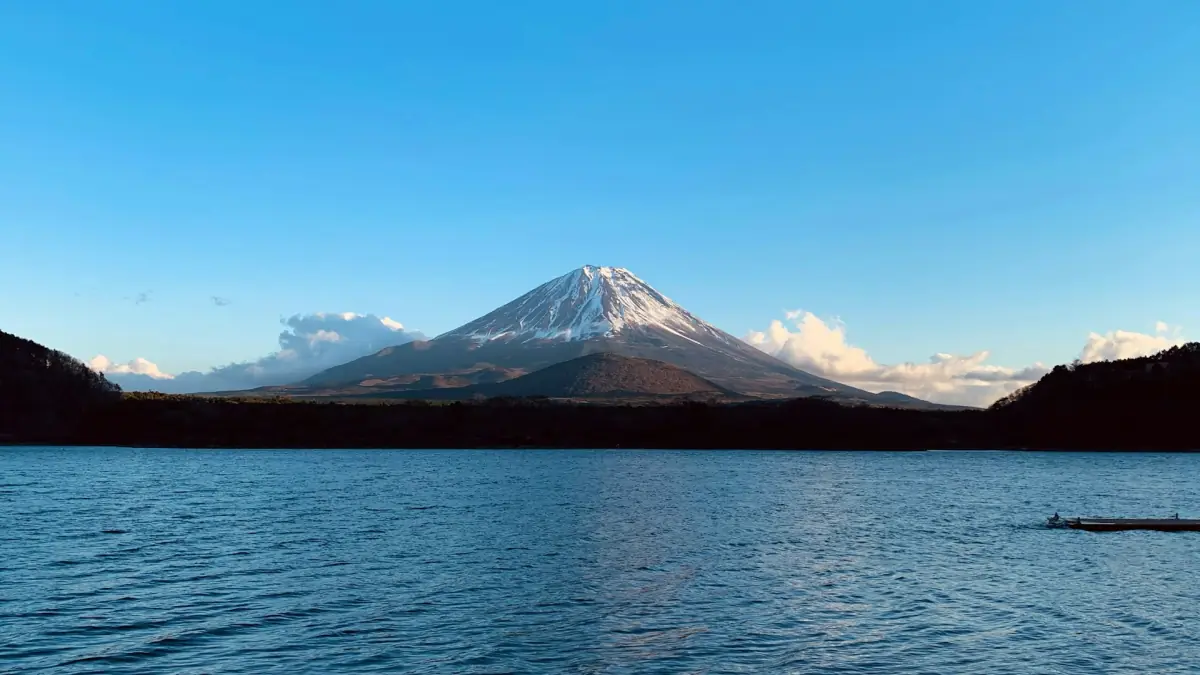
How the Fuji Five Lakes fit together
The Fuji Five Lakes are Yamanakako, Kawaguchiko, Saiko, Shojiko and Motosuko, in southeastern Yamanashi near Shizuoka. They form a regional setting for viewing Fuji rather than a single attraction with a shared entrance. Start by deciding whether your day centres on lake scenery, a cultural stop or an organised local drive.
Shojiko is the smallest lake in the group and Motosuko is the deepest. Those differences help identify the places, but they are not a reason to rush through every shore. Choose stops you want to spend time at. The viewpoint guide compares lake views with the elevated setting at Chureito.

Yamanakako, Saiko, Shojiko and Motosuko
Keep Yamanakako in the comparison when selecting a regional itinerary: it is one of the five lakes, not another name for the entire district. Saiko offers another lake setting for a route around the northern side of Fuji. Treat each selected lake as a destination in its own right, with time for arrival and onward travel.
For a view-led outing, the northern shore of Motosuko and the Eboshi-dake panorama platform at Shojiko are named Fuji viewpoints. Decide whether you want a shore-based stop or a hillside destination. A reference photograph helps you choose the foreground, while local route information helps you decide how to reach it.
Our picks: Fuji Five Lakes
This private outing includes a guide and local transfers.
Hand-picked tours, booked through GetYourGuide. Prices are indicative starting prices in US dollars (as of October 2026). Tap a tour for live availability and the current price in your currency.

Local private touring around the lakes
Choose selected northern stops on a flexible local outing with a guide, vehicle and pickup and drop-off in the lake area.
A flexible local private drive
The local private outing offers three to four hours with a guide, an air-conditioned vehicle and pickup and drop-off within the Fuji Five Lakes area. Its itinerary can be adjusted to your request. Meals and any required entrance fees are extra. Agree a manageable route around the stops that matter most to you.
This format suits visitors already staying in the region who want help connecting selected places. It should be planned as a tailored local drive rather than a promise to visit every lake. Compare it with a longer departure from the capital on the Tokyo day trip page, or read about private tour formats.
Lake Kawaguchi as a northern base
The direct train and highway-bus links from Shinjuku make this a useful place to consider when selecting a northern arrival point. Continue to Lake Kawaguchi for its individual local sights. Keep your wider lake itinerary separate from the time needed to arrive from Tokyo.
A bus or train into the region solves the first part of the journey. The onward movement between your selected stops still needs planning. Read getting there before choosing a return departure, and leave enough room for the final local connection.
Oishi Park in a regional itinerary
Use Oishi Park for the park’s own visitor details. It can be considered within a northern lake plan without turning the entire day into a list of short photo stops. Give your chosen lakeside destination time, then add another place only if the return journey remains comfortable.
Oshino Hakkai as a separate stop
The spring ponds at Oshino Hakkai are a separate destination to consider alongside the lakes. They should not replace one of the five lake names in your regional plan. Keep the ponds clean and leave coins out of the water, respecting the local protection request.
Transport, weather and the mountain beyond
For the northern side, rail access via Otsuki is an alternative to the direct train from Shinjuku. The southern gateways of Mishima and Shin-Fuji serve a different approach. Pick the side that matches the stops you actually want, rather than selecting a gateway simply because it has a familiar train name.
The accommodation-area guide helps you choose a base. Lake-area climate and summit weather differ, so use the climate comparison when packing. A scenic lake trip does not require a summit ascent, and climbing should be planned only in the officially open season.
Frequently asked questions
What are the five lakes called?
They are Yamanakako, Kawaguchiko, Saiko, Shojiko and Motosuko. This page compares the region so you can select stops rather than treat it as one attraction.
Which is the smallest and which is the deepest?
Shojiko is the smallest of the five and Motosuko is the deepest. Motosuko’s northern shore is also a named Fuji viewpoint.
Does the local private tour visit every lake?
Its flexible three to four hour format is designed around an agreed local route. Select your priorities with the guide instead of planning on all five lakes being included.